اردو کے حروف پہچانیں۔
Urdu alphabet chart: letters, sounds and examples
Looking for a letter you keep seeing? Start here. This Urdu alphabet chart gives each letter or form, its name, a simple sound cue and a word to practise.
The chart has 39 entries, showing ں، ھ، ے and ء separately. Alphabet totals differ between teaching traditions because some forms are grouped together and some lists include additional combinations. This is a stated counting convention, not a claim that every Urdu textbook must use the same total.
Read the Urdu words from right to left. Our English reading help uses aa, ee and oo for long vowels. It is deliberately simple, so different Urdu sounds sometimes share an English spelling.
| Letter or form | Name | Sound or job | Example and meaning |
|---|---|---|---|
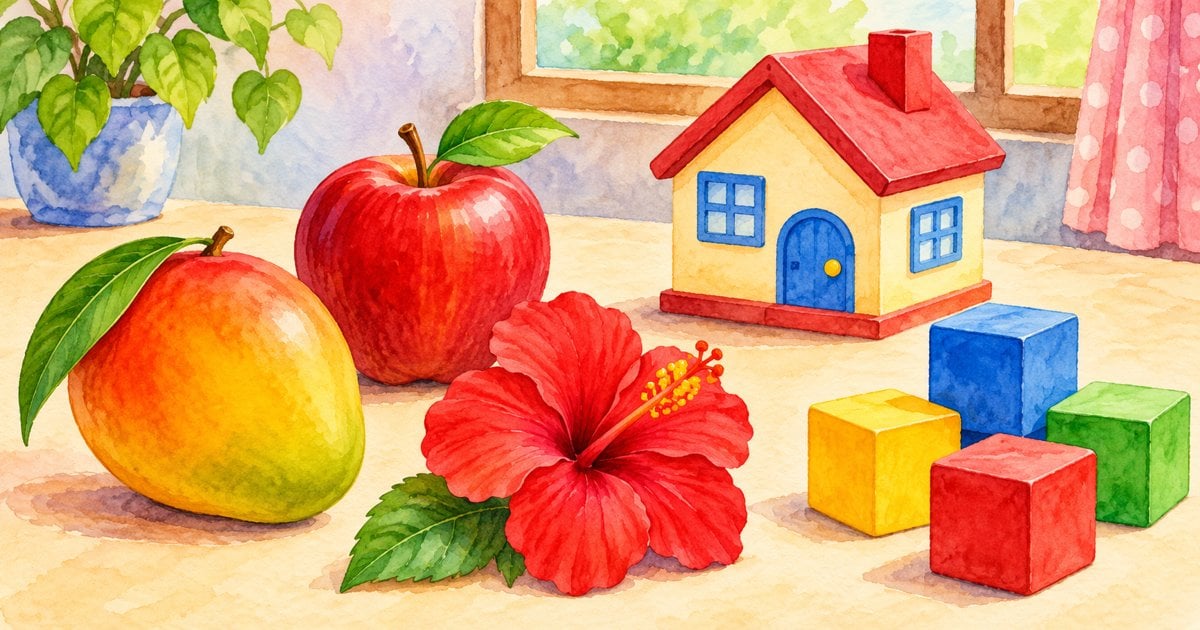
| ا | alif | Vowel carrier; often aa after a consonant | انار — anaar — pomegranate |
| ب | be | b | بادل — baadal — cloud |
| پ | pe | p | پانی — paanee — water |
| ت | te | t, with tongue near the teeth | تتلی — titlee — butterfly |
| ٹ | te | t, with curled tongue tip | ٹوپی — topee — cap |
| ث | se | s | ثمر — samar — fruit |
| ج | jeem | j | جوتا — jootaa — shoe |
| چ | che | ch | چاند — chaand — moon |
| ح | bari he | h | حلوہ — halwaa — a sweet dish |
| خ | khe | Friction kh, not کھ | خرگوش — khargosh — rabbit |
| د | daal | d, with tongue near the teeth | دل — dil — heart |
| ڈ | daal | d, with curled tongue tip | ڈبہ — dabba — box |
| ذ | zaal | z | ذرا — zaraa — a little |
| ر | re | r | رنگ — rang — colour |
| ڑ | re | Curled-tongue flap | پہاڑ — pahaar — mountain |
| ز | ze | z | زبان — zabaan — language; tongue |
| ژ | zhe | zh, as in English vision | اژدہا — azhdahaa — dragon |
| س | seen | s | سیب — seb — apple |
| ش | sheen | sh | شیر — sher — lion |
| ص | swaad | s | صابن — saabun — soap |
| ض | zwaad | z | ضروری — zarooree — necessary |
| ط | toe | t, with tongue near the teeth | طوطا — totaa — parrot |
| ظ | zoe | z | ظرف — zarf — vessel; capacity |
| ع | ain | Depends on the word; often no separate consonant | عینک — ainak — glasses |
| غ | ghain | Friction gh, not گھ | غبارہ — ghubbaaraa — balloon |
| ف | fe | f | فاختہ — faakhta — dove |
| ق | qaaf | q, traditionally farther back than k | قلم — qalam — pen |
| ک | kaaf | k | کتاب — kitaab — book |
| گ | gaaf | g | گائے — gaaye — cow |
| ل | laam | l | لال — laal — red |
| م | meem | m | مچھلی — machhlee — fish |
| ن | noon | n | ناک — naak — nose |
| ں | noon ghunna | Nasalizes a vowel | ماں — maan — mother |
| و | waaw | v/w, oo, o or au | وقت — waqt — time |
| ہ | chhoti he | h; sometimes a final vowel | ہاتھ — haath — hand |
| ھ | do-chashmi he | Aspiration after another consonant | پھول — phool — flower |
| ی | chhoti ye | y; often ee; other vowels inside words | یاد — yaad — memory |
| ے | bari ye | Final e or ai | بچے — bachche — children |
| ء | hamza | Often separates vowels; may sit on a support | چائے — chaaye — tea |
A few letters, such as ث and ژ, appear mostly in less common or borrowed words. Their examples are here to help you recognize the letters, not because you need to use every word on your first day.
Why do some alphabet charts give a different number?
Some charts group ں with ن, ھ with ہ, or treat ء as a sign rather than a separate alphabet entry. Some beginner lists also include aspirated combinations such as بھ and پھ.
آ is alif with madd, commonly giving initial aa; it is not an additional row in this chart. لا is a joined form of ل + ا, not a new letter. Learn what a chart counts before comparing its total with another one.
Short vowels: zabar, zer and pesh
| Mark | Name | Example | Simple reading |
|---|---|---|---|
| َ | zabar | بَ | ba |
| ِ | zer | بِ | bi |
| ُ | pesh | بُ | bu |
Ordinary Urdu often leaves these marks out. The reader supplies short vowels from vocabulary and context. A consonant does not automatically include a following a sound.
Tashdeed ّ marks a doubled consonant. Sukoon ْ marks the absence of a following vowel. These marks also may be omitted in everyday print.
Long vowels: aa, ee and oo
| Pattern | Common reading | Example |
|---|---|---|
| آ at the beginning | aa | آم — aam — mango |
| ا after a consonant | aa | نام — naam — name |
| ی | Often ee; y in consonantal use | پانی — paanee — water |
| ے at the end | e or ai | میرے — mere — my; ہے — hai — is |
| و | oo, o or au; also a consonant | دور — door — far; دو — do — two; اور — aur — and |
These are common patterns, not automatic substitutions. Initial ا can carry a short vowel, as in انار — anaar. The shape ی inside a word can also help represent vowels other than ee.
In our spelling system, e does not mean the English letter name “ee.” Listen to real Urdu words alongside the chart.
Joining letters and word breaks
Many Urdu letters change shape when they join. The same ب can appear as ب، بـ، ـبـ، ـب. Look for its dot even when the body changes.
The following letters stop a connection to the next letter on their left:
ا د ڈ ذ ر ڑ ز ژ و
آ follows the same joining pattern as ا. These letters can receive a connection from a preceding join-capable letter on their right. A visible break after them may still be inside one word.
Different fonts can change the flowing shape of a word. Nastaliq and Naskh are styles of writing the same letters, not different alphabets.
Six distinctions worth remembering
1. ت and ٹ; د and ڈ; ر and ڑ
The first t and d are made near the upper teeth. The second pair use a curled-back tongue tip. ڑ is a curled-tongue flap, different from ر. Our simple t, d and r spellings cannot show these distinctions fully.
2. ھ is a puff of breath
Combine ھ with another consonant: بھ، پھ، تھ، ٹھ، جھ، چھ، دھ، ڈھ، کھ، گھ. You get an aspirated sound, not an extra ha syllable. For example, پھول — phool — flower starts with p plus a puff of breath, not English f.
Other combinations, including ڑھ, also occur. The basic alphabet chart is not an exhaustive list of every letter combination.
3. خ and غ are not the same as کھ and گھ
خ and غ involve friction farther back in the mouth. کھ and گھ are aspirated k and g. Our kh and gh spellings are convenient but cannot distinguish them on their own.
4. ن and ں do different jobs
ن usually represents a consonant n. Final ں usually nasalizes the preceding vowel: ماں — maan — mother. The n in our reading help reminds you to nasalize; it need not be a full n consonant.
5. ی and ے help you read endings
Compare بچی — bachchee — girl and بچے — bachche — children. Final ی commonly gives ee, while final ے gives e or ai. Their medial forms do not provide the same easy distinction.
6. Same sound does not mean same spelling
In ordinary Urdu, س/ث/ص usually share s, and ز/ذ/ض/ظ usually share z. Learn each word's correct spelling. Do not replace a less familiar letter just because another letter sounds similar.
Urdu pronunciation is not identical to Arabic pronunciation. In particular, ع and the Arabic-origin consonant groups should be learned as they occur in Urdu words.
Hamza and its supporting shapes
Hamza ء often marks a boundary between vowels. It may appear on a supporting shape, such as ئ or ؤ. That support does not automatically add a separate y or w. In چائے — chaaye — tea, notice the hamza-bearing shape before final ے.
Urdu numbers at a glance
| English digit | 0 | 1 | 2 | 3 | 4 | 5 | 6 | 7 | 8 | 9 |
|---|---|---|---|---|---|---|---|---|---|---|
| Urdu digit | ۰ | ۱ | ۲ | ۳ | ۴ | ۵ | ۶ | ۷ | ۸ | ۹ |
Digits within a number keep their left-to-right order: ۲۰۲۶ = 2026. Do not reverse them when reading right-to-left text.
A quick practice round
- Find the letter with three dots below: ب or پ?
- Which word ends in ی: پانی or بچے?
- Which form shows nasalization: ن or ں?
- Which word means flower: پھول or کتاب?
- Which one stops a join to the following letter: ا or ب?
Answers: پ; پانی; ں; پھول; ا.
Start with آم، نام، پانی، کتاب، پھول. Read each word, cover the English help, and try again. Five words you can recognize confidently are more useful than a chart you can only recite.
Further learning
Explore Northwestern University's Zer o Zabar for more script instruction and the University of North Carolina's Urdu Alphabet resource for additional learning support. The Library of Congress Urdu table provides a technical reference, using a formal romanization system different from this page's simple reading help.