
চলো, বাংলায় বাক্য বানাই।
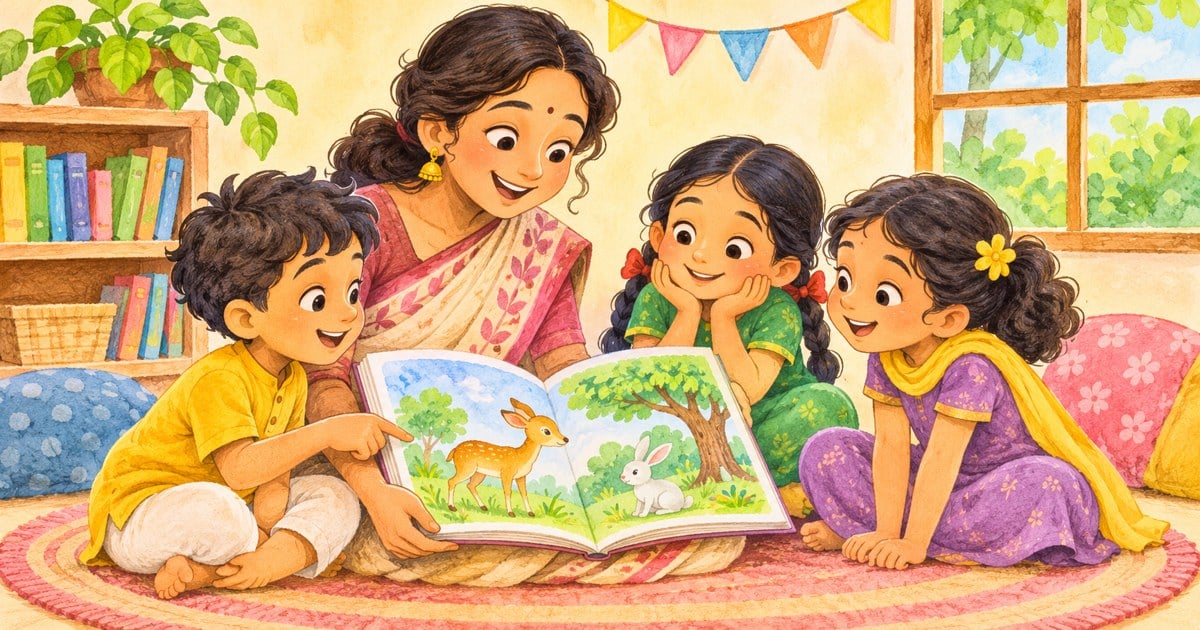
আমি বাংলা শিখি। — I learn Bengali.
That one sentence gives you a useful starting pattern: who + what + action. Change one part, and you can say something new.
1. Choose who you mean
| বাংলা | Reading aid | English | When to use it |
|---|---|---|---|
| আমি | aami | I | speaking about yourself |
| আমরা | aamraa | we | yourself and others |
| তুমি | tumi | you | someone familiar |
| তোমরা | tomraa | you, plural | familiar group |
| আপনি | aapni | you | polite / respectful |
| আপনারা | aapnaaraa | you, plural | polite / respectful group |
| সে | she | he / she | familiar or ordinary reference |
| তারা | taaraa | they | ordinary plural |
| তিনি | tini | he / she | respectful reference |
| তাঁরা | taanraa | they | respectful plural |
Bengali does not change সে or তিনি according to a person's gender. The Roman aid “she” for সে is a sound cue; it does not mean that সে refers only to a woman.
You may hear তুই, another form of “you.” It can be affectionate in a very close relationship or insulting elsewhere. Start with আপনি when unsure, rather than copying it from a story into every conversation.
2. You often do not need “is”
| বাংলা | Reading aid | English |
|---|---|---|
| আমি ছাত্র। | aami chhaatro. | I am a male student. |
| আমি ছাত্রী। | aami chhaatree. | I am a female student. |
| এটা বই। | etaa boi. | This is a book. |
| ওটা বাড়ি। | otaa baari. | That is a house. |
| বইটা ভালো। | boitaa bhaalo. | The book is good. |
Simple present statements like these normally need no separate word for “am,” “is” or “are.” This does not mean Bengali has no verbs for being or existing; আছে, for example, is useful for location and possession.
বইটা টেবিলে আছে। — The book is on the table.
আমার একটা বই আছে। — I have a book.
The second sentence literally describes a book belonging to me as existing. Learn it as a complete useful pattern.
3. Put the action near the end
| Who | What | Action | Complete meaning |
|---|---|---|---|
| আমি | বই | পড়ি। | I read a book / books. |
| তুমি | বাংলা | শেখো। | You learn Bengali. |
| সে | পানি | খায়। | He / she drinks water. |
Bengali normally places the verb after its object. The verb খাওয়া covers eating and, with appropriate objects such as পানি, drinking. Do not translate every verb word for word without considering its object.
4. Match the verb to the person
Here is the ordinary present pattern for পড়া, to read:
| বাংলা | Reading aid | English |
|---|---|---|
| আমি পড়ি। | aami pori. | I read. |
| আমরা পড়ি। | aamraa pori. | We read. |
| তুমি পড়ো। | tumi poro. | You read. |
| তোমরা পড়ো। | tomraa poro. | You all read. |
| আপনি পড়েন। | aapni poren. | You read, respectfully. |
| সে পড়ে। | she pore. | He / she reads. |
| তারা পড়ে। | taaraa pore. | They read. |
| তিনি পড়েন। | tini poren. | He / she reads, respectfully. |
The verb reflects person and respect, not masculine or feminine gender. Other verbs have their own stem changes, so learn the pattern with a few real examples rather than attaching these endings to every word mechanically.
5. Say what you do not do
Put না after a simple present action:
| Positive | Negative |
|---|---|
| আমি পড়ি। — I read. | আমি পড়ি না। — I do not read. |
| সে যায়। — He / she goes. | সে যায় না। — He / she does not go. |
| আপনি জানেন। — You know. | আপনি জানেন না। — You do not know. |
Identity statements use different forms: আমি শিক্ষক নই। — I am not a teacher. Do not automatically add না to every sentence without a verb.
6. Ask a simple question
আপনি কি বাংলা পড়েন? — Do you read Bengali?
Here কি marks a yes-or-no question. Bengali also distinguishes কী, “what,” in standard spelling:
আপনি কী পড়েন? — What do you read?
In casual writing these spellings are sometimes mixed. Keeping them separate makes the meaning clearer for beginners.
Useful question words:
| বাংলা | Meaning |
|---|---|
| কে | who |
| কী | what |
| কোথায় | where |
| কখন | when |
| কেন | why |
7. A tiny conversation
আপনি কি বাংলা পড়েন? — Do you read Bengali?
হ্যাঁ, আমি বাংলা পড়ি। — Yes, I read Bengali.
আপনি কী পড়েন? — What do you read?
আমি গল্প পড়ি। — I read stories.
Try it yourself
- Choose the more formal, respectful form: তুমি পড়ো। / আপনি পড়েন।
- Make আমি পড়ি। negative.
- Translate এটা বই।
- Fill in: তিনি বাংলা ___। (পড়ি / পড়েন)
Answers: 1. আপনি পড়েন। 2. আমি পড়ি না। 3. This is a book. 4. পড়েন.
Continue your language learning journey with these related lessons:
Further reference: University of Texas: Bangla Grammar. Lesson explanations and examples by LangFastPro.