آئیے اردو کے لفظوں کو سمجھیں۔
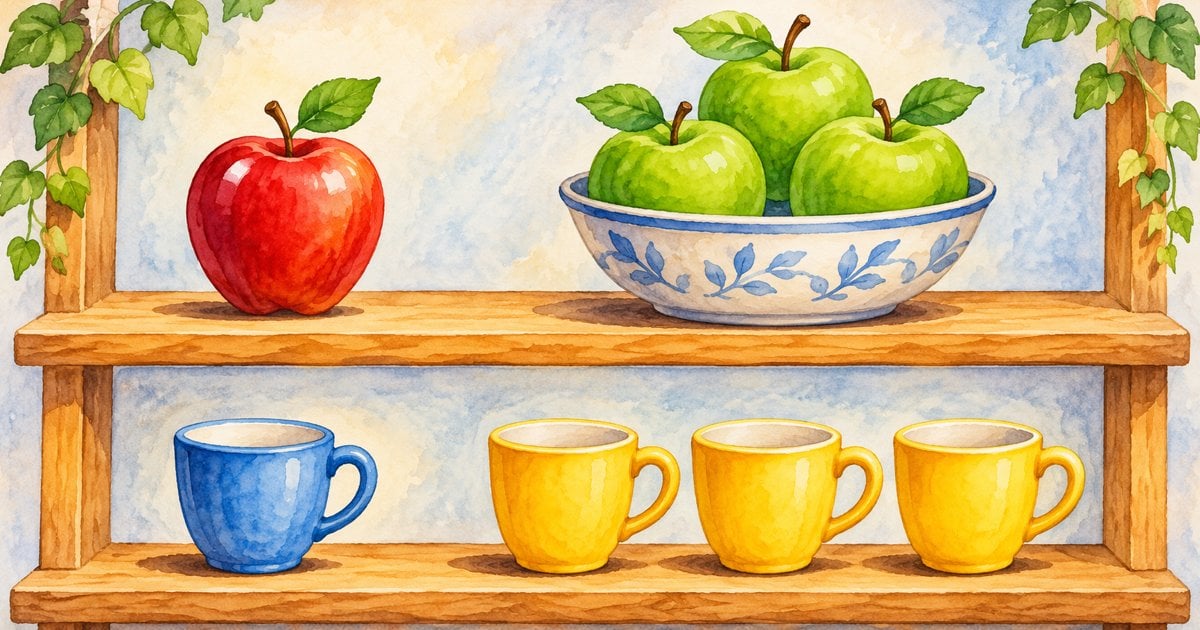
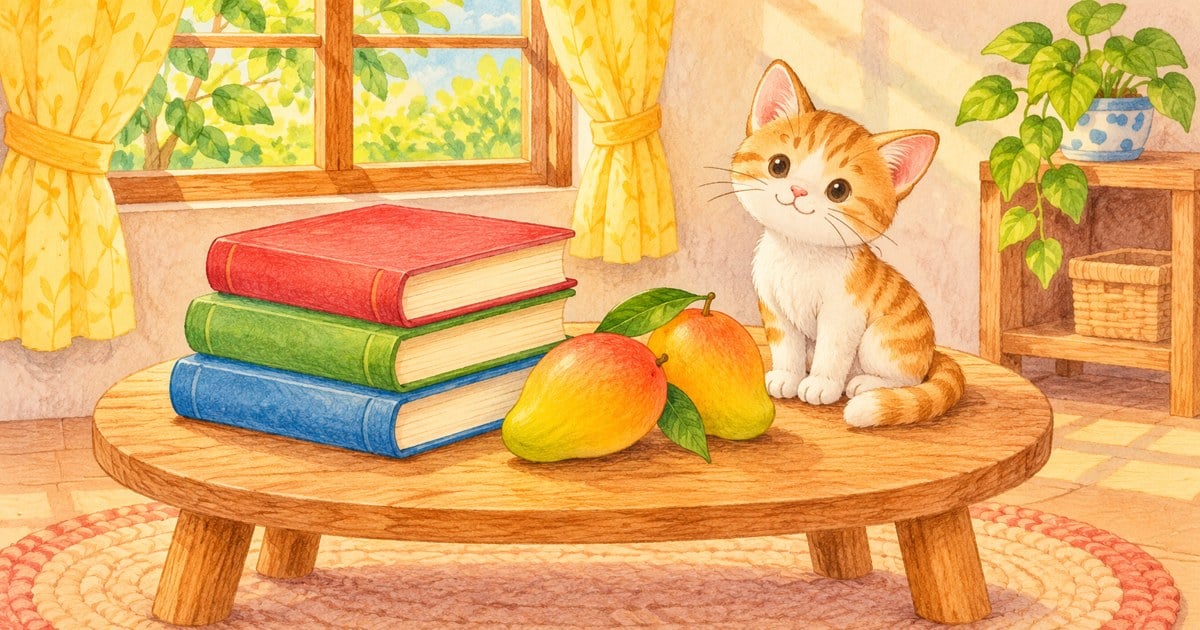
One book, two books: what changes?
ایک کتاب — ek kitaab — one book
دو کتابیں — do kitaabein — two books
Now try a different word:
ایک گھر — ek ghar — one house
دو گھر — do ghar — two houses
The word for book changes; the word for house does not. Urdu does not have one universal equivalent of adding English “s.” The pattern depends on the noun, its grammatical gender and its role in the sentence.
This chapter teaches the common direct-form patterns first: the forms you use in simple phrases such as “two books” and sentences such as “These books are new.” We will then look briefly at what changes before words meaning in, on and from.
1. A noun's gender is part of the word
Urdu nouns belong to two grammatical groups: masculine — مذکر and feminine — مؤنث. For people, these often connect with gender. For objects, they are grammatical categories.
A book is not a female person, but کتاب — kitaab — book is grammatically feminine. گھر — ghar — house is grammatically masculine.
Learn a noun with a small phrase rather than as a bare translation:
| Noun | Gender | Useful phrase |
|---|---|---|
| کتاب — kitaab — book | Feminine | نئی کتاب — naee kitaab — new book |
| کرسی — kursee — chair | Feminine | نئی کرسی — naee kursee — new chair |
| کمرہ — kamraa — room | Masculine | نیا کمرہ — nayaa kamraa — new room |
| گھر — ghar — house | Masculine | نیا گھر — nayaa ghar — new house |
The adjective gives you a second memory cue. You hear naee kitaab enough times and the feminine pattern begins to feel familiar.
2. Endings give clues, not guarantees
Many masculine nouns end in aa, written with ا or sometimes ہ. Many feminine nouns end in ee, written ی.
Useful examples are لڑکا — larkaa — boy and لڑکی — larkee — girl.
But do not decide every noun's gender from the last sound:
- پانی — paanee — water is masculine despite ending in ee.
- ہاتھی — haathee — elephant is normally a masculine noun despite ending in ee.
- دوا — dawaa — medicine is feminine despite ending in aa.
When you meet a new noun, check its gender in a reliable dictionary or learn it in a clear phrase. An ending is a clue, not a promise.
3. Pattern one: masculine aa often becomes e
For many masculine nouns ending in aa, change the ending to e in the direct plural.
| One | More than one | Meaning |
|---|---|---|
| کمرہ — kamraa | کمرے — kamre | room; rooms |
| دروازہ — darwaazaa | دروازے — darwaaze | door; doors |
| لڑکا — larkaa | لڑکے — larke | boy; boys |
| بچہ — bachchaa | بچے — bachche | child; children |
ایک کمرہ — ek kamraa — one room
تین کمرے — teen kamre — three rooms
The singular aa may be written ا or ہ. Follow the word's actual spelling rather than replacing letters mechanically in every noun.
4. Pattern two: many other masculine nouns stay the same
A large group of masculine nouns does not change in the direct plural.
| One | More than one | Meaning |
|---|---|---|
| ایک گھر — ek ghar | دو گھر — do ghar | one house; two houses |
| ایک سیب — ek seb | چار سیب — chaar seb | one apple; four apples |
| ایک پھول — ek phool | پانچ پھول — paanch phool | one flower; five flowers |
That does not make the phrase singular. A number, context or the rest of the sentence can tell you it is plural.
- یہ گھر نیا ہے۔ — yeh ghar nayaa hai. — This house is new.
- یہ گھر نئے ہیں۔ — yeh ghar naye hain. — These houses are new.
The noun گھر stays the same, while نیا/نئے and ہے/ہیں show the difference.
5. Pattern three: feminine ee often becomes iyaan
Many feminine nouns ending in ee form their direct plural with iyaan.
| Singular | Plural | Meaning |
|---|---|---|
| کرسی — kursee | کرسیاں — kursiyaan | chair; chairs |
| لڑکی — larkee | لڑکیاں — larkiyaan | girl; girls |
| چابی — chaabee | چابیاں — chaabiyaan | key; keys |
| کھڑکی — khirkee | کھڑکیاں — khirkiyaan | window; windows |
The vowel before yaan is shorter than the long ee at the end of the singular. The ending is nasalized. Our final n is a simple cue for that nasal sound, not necessarily a full n consonant.
دو کرسیاں — do kursiyaan — two chairs
6. Pattern four: many other feminine nouns add ein
| Singular | Plural | Meaning |
|---|---|---|
| کتاب — kitaab | کتابیں — kitaabein | book; books |
| میز — mez | میزیں — mezein | table; tables |
| رات — raat | راتیں — raatein | night; nights |
| تصویر — tasweer | تصویریں — tasweerein | picture; pictures |
Again, the plural ending is nasalized. Ein is our plain reading help for that ending, not a precise phonetic spelling.
تین کتابیں — teen kitaabein — three books
These four patterns give you a strong start, but they are not every plural in Urdu. Some borrowed words preserve Arabic or Persian plural forms, and individual nouns can have alternatives. Check unfamiliar words rather than forcing them into the nearest-looking pattern.
7. Let describing words match
Some adjectives change their endings to match the noun. Start with اچھا — achchhaa — good.
| Phrase | Reading help | Meaning |
|---|---|---|
| اچھا کمرہ | achchhaa kamraa | good room |
| اچھے کمرے | achchhe kamre | good rooms |
| اچھی کتاب | achchhee kitaab | good book |
| اچھی کتابیں | achchhee kitaabein | good books |
In these direct-form phrases, the feminine adjective اچھی stays the same for one or several feminine nouns. The noun tells you whether there is one book or more.
Not every adjective changes. صاف — saaf — clean can stay the same:
- صاف کمرہ — saaf kamraa — clean room
- صاف کتاب — saaf kitaab — clean book
Do not add a feminine ending to every descriptive word you learn.
8. My book, my room
The word meaning “my” also changes with the thing being described:
| Phrase | Reading help | Meaning |
|---|---|---|
| میرا کمرہ | meraa kamraa | my room |
| میرے کمرے | mere kamre | my rooms |
| میری کتاب | meree kitaab | my book |
| میری کتابیں | meree kitaabein | my books |
It is میری کتاب whether the owner is a man or a woman. The feminine form matches کتاب, not the owner's gender.
This same idea helps with کا، کی، کے in possession phrases. You do not need the whole system today; remember to look at the thing possessed.
9. A first look at the oblique form
Urdu puts many location and relationship words after the noun. They are called postpositions. Examples include میں — mein — in, پر — par — on and سے — se — from.
A noun may change before a postposition:
- کمرہ — kamraa — room
- کمرے میں — kamre mein — in the room
- کمرے — kamre — rooms
- کمروں میں — kamron mein — in the rooms
Notice the trap: کمرے can be a direct plural or an oblique singular. The whole phrase, not its ending alone, tells you which it is.
A few common plural examples:
| Direct plural | Before a postposition | Meaning |
|---|---|---|
| گھر — ghar | گھروں میں — gharon mein | in the houses |
| کتابیں — kitaabein | کتابوں میں — kitaabon mein | in the books |
| کرسیاں — kursiyaan | کرسیوں پر — kursiyon par | on the chairs |
These are common patterns, not a complete case lesson. Some expressions and borrowed plurals behave differently. For now, keep direct forms and forms before postpositions in separate practice groups.
10. Read a few complete sentences
| Urdu | Reading help | English |
|---|---|---|
| یہ کمرہ صاف ہے۔ | yeh kamraa saaf hai. | This room is clean. |
| یہ کمرے صاف ہیں۔ | yeh kamre saaf hain. | These rooms are clean. |
| میری کتاب نئی ہے۔ | meree kitaab naee hai. | My book is new. |
| میری کتابیں نئی ہیں۔ | meree kitaabein naee hain. | My books are new. |
| کتابیں کمرے میں ہیں۔ | kitaabein kamre mein hain. | The books are in the room. |
The last example contains plural books but one room. Read the whole sentence before deciding what each ending means.
Practice
A. Make the direct plural
- کمرہ — kamraa
- کتاب — kitaab
- کرسی — kursee
- پھول — phool
B. Choose the matching word
- ___ کتاب: اچھا or اچھی?
- ___ گھر: میرا or میری?
- ___ کتابیں: میرا or میری?
- یہ گھر نئے ___: ہے or ہیں?
C. Read the phrase carefully
- Does کمرے میں mean “in the room” or “in the rooms”?
- Say “two chairs” in Urdu.
Answers
- کمرے — kamre
- کتابیں — kitaabein
- کرسیاں — kursiyaan
- پھول — phool
- اچھی کتاب — achchhee kitaab
- میرا گھر — meraa ghar
- میری کتابیں — meree kitaabein
- ہیں — hain
- In the room. In the rooms is کمروں میں — kamron mein.
- دو کرسیاں — do kursiyaan
Your next five words
Pick five objects around you. Learn each one's Urdu name, gender and a short phrase such as “my book” or “two chairs.” That gives every new noun a little grammar attached to it, so you do not have to relearn the word later.
Further learning
See Michigan State University's Basic Urdu: Gender and Number and the University of Texas at Austin's Plurality in Urdu for additional reference. The teaching sequence and exercises here are newly written for LangFastPro.