
نتعلّم العربية من القصص.
Section 1: Arabic Story
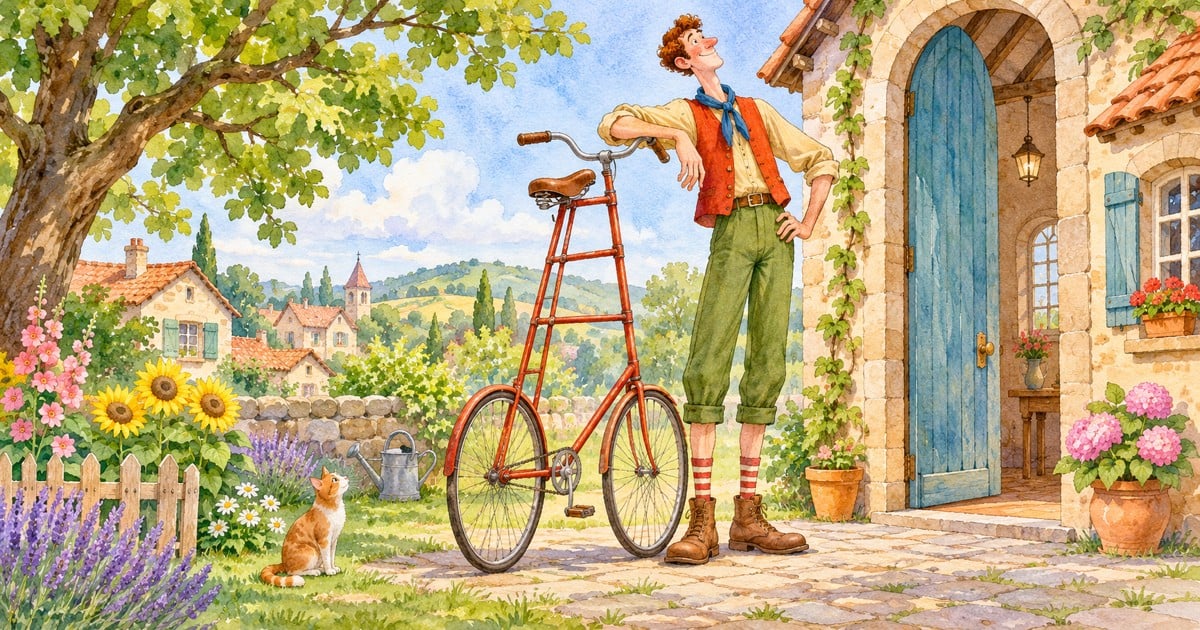
الرَّجُلُ ذُو القَامَةِ الطَّويلَةِ — A Very Tall Man
كانَ مِعْوَلُهُ قَصِيرًا جِدًّا.
وَمَدْخَلُ مَنْزِلِهِ مُنْخَفضاً جِدًّا.
كَانَ فِرَاشُهُ قَصِيرًا جِدًّا.
وَكَذَلِكَ دَرَّاجَتَهُ الهَوَائِيَّةُ.
إِنَّهُ لَرَجُلٌ طَويلٌ جِدًّا.
وَلِذَلِكَ فَقَدْ قامَ بِصِناعَةِ مَسْكَةٍ طَويلَةٍ لِمِجْرَفَتِهِ.
وَوَسَّعَ بابَ مَنْزِلِهِ.
كَما قَامَ بِصِناعَةِ فِرَاشٍ طَوِيلٍ جِدًّا.
وَاشْتَرَى دَرَّاجَةً هَوَائِيَّةً عَالِيَةً.
لَقَدْ جَلَسَ عَلَى كُرْسِيٍّ مُرْتَفِعٍ وتَناوَلَ طَعامَهُ بِشَوْكَةٍ طَوِيلَةٍ.
تَرَكَ الرَّجُلُ الطَّويلُ مَنْزِلَهُ وَذَهَبَ لِلْعَيْشِ فِي غَابَةٍ كَبِيرَةٍ حَيْثُ أَمْضَى سِنِيناً عَديدَةً مِنْ عُمْرِهِ هُنَاكَ.
Section 2: Sentence-by-Sentence Translation
| # | Arabic | English |
|---|---|---|
| 1 | كانَ مِعْوَلُهُ قَصِيرًا جِدًّا. | His hoe was much too short. |
| 2 | وَمَدْخَلُ مَنْزِلِهِ مُنْخَفضاً جِدًّا. | And the entrance to his house was much too low. |
| 3 | كَانَ فِرَاشُهُ قَصِيرًا جِدًّا. | His bed was much too short. |
| 4 | وَكَذَلِكَ دَرَّاجَتَهُ الهَوَائِيَّةُ. | And so was his bicycle. |
| 5 | إِنَّهُ لَرَجُلٌ طَويلٌ جِدًّا. | He was indeed a very tall man. |
| 6 | وَلِذَلِكَ فَقَدْ قامَ بِصِناعَةِ مَسْكَةٍ طَويلَةٍ لِمِجْرَفَتِهِ. | So he made a long handle for his digging tool. |
| 7 | وَوَسَّعَ بابَ مَنْزِلِهِ. | And he widened the door of his house. |
| 8 | كَما قَامَ بِصِناعَةِ فِرَاشٍ طَوِيلٍ جِدًّا. | He also made a very long bed. |
| 9 | وَاشْتَرَى دَرَّاجَةً هَوَائِيَّةً عَالِيَةً. | And he bought a tall bicycle. |
| 10 | لَقَدْ جَلَسَ عَلَى كُرْسِيٍّ مُرْتَفِعٍ وتَناوَلَ طَعامَهُ بِشَوْكَةٍ طَوِيلَةٍ. | He sat on a high chair and ate his food with a long fork. |
| 11 | تَرَكَ الرَّجُلُ الطَّويلُ مَنْزِلَهُ وَذَهَبَ لِلْعَيْشِ فِي غَابَةٍ كَبِيرَةٍ حَيْثُ أَمْضَى سِنِيناً عَديدَةً مِنْ عُمْرِهِ هُنَاكَ. | The tall man left his home and went to live in a large forest, where he spent many years of his life. |
Section 3: Vocabulary
Some entries use the base form rather than the exact ending in the story. Roman spellings are approximate reading aids: aa, ee and oo mark long vowels. Arabic sounds such as ع, ح and ق need listening practice; ordinary English spellings cannot show every distinction. The plain apostrophe marks a hamza (a brief stop) or an ayn sound; these are different sounds, so compare the Arabic spelling.
| Arabic | Simple pronunciation | Part of speech | Meaning |
|---|---|---|---|
| رجل | rajul | Noun | man |
| طويل | taweel | Adjective | tall; long |
| قصير | qaseer | Adjective | short |
| جدًا | jiddan | Adverb | very |
| معول | mi'wal | Noun | hoe; pick |
| منزل | manzil | Noun | home |
| مدخل | madkhal | Noun | entrance |
| فراش | firaash | Noun | bed; bedding |
| دراجة هوائية | darraaja hawaaiyya | Noun phrase | bicycle |
| باب | baab | Noun | door |
| كرسي | kursee | Noun | chair |
| شوكة | shawka | Noun | fork |
| طعام | ta'aam | Noun | food |
| غابة | ghaaba | Noun | forest |
| اشترى | ishtaraa | Verb | bought |
| كبير | kabeer | Adjective | big |
Continue your language learning journey with these related lessons:
Source: الرَّجُلُ ذُو القَامَةِ الطَّويلَةِ by Cornelius Gulere; Arabic translation by Hanadi Traifeh, Maaouia Haj Mabrouk, on Storybooks Canada / African Storybook, CC BY 3.0. Arabic text retained; new English translation and learning notes by LangFastPro.