لنتعلم العربية من القصص.
Section 1: Arabic Story
صغير الحمار — Donkey Child
Excerpt: story panels 11–20. In this fantasy, a woman gives birth to a donkey child. After angrily hurting his mother, he runs away. This passage follows his journey home.
شعر الحمار بعدها بالخجل الشديد لما بدر منه في حق أمه وانبرى هارباً بعيداً.
ولما توقف عن الجري، كان الظلام قد أرخى سدوله على المكان فإذا بالحمار يضيع طريقه وإذا به يهمس للظلام: “هييه … هاو؟” ويردد رجع الصدى: “هييه … هاو؟”. وجد الحمار نفسه وحيدا فتكوم على نفسه وخلد إلى نوم عميق مضطرب.
وعندما استفاق من نومه، وجد شيخاً غريباً واقفاً عند رأسه محدقاً فيه. نظر الحمار في عيني الشيخ وبدأ يشعر ببصيص من الأمل.
انتقل الحمار للعيش مع الشيخ، فعلمه أساليب عديدة للعيش. استمع الاثنان إلى بعضهما وتعلما الكثير من بعضهما وتعاونا وضحكا كثيرا معا.
وفي صباح أحد الأيام، طلب الشيخ من الحمار أن يحمله إلى قمة الجبل.
وهناك بين السحب، خلد الاثنان إلى النوم. حلم الحمار بأن أمه مريضة وبأنها تناديه. وعندما استفاق من نومه،
وجد الغيوم قد اختفت، وكذا صديقه الشيخ.
عندها، عرف الحمار ما يجب عليه فعله.
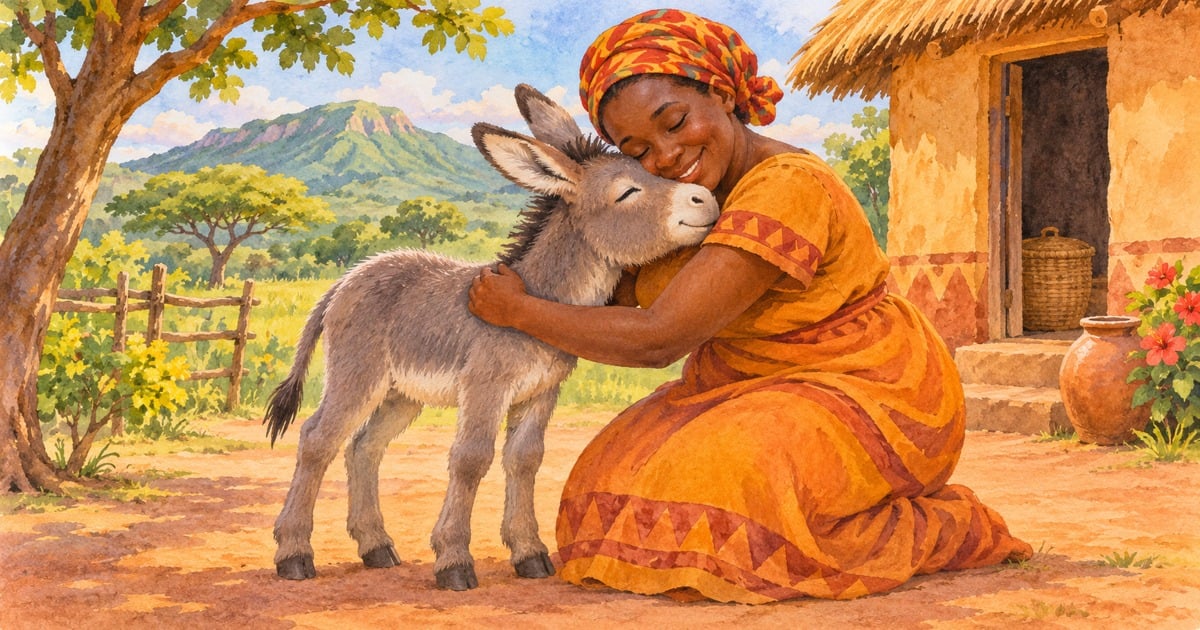
ولدى رجوعه إلى البيت وجد أمه وحيدة ترثي ابنها المفقود. حدق الاثنان في بعضهما لفترة طويلة ثم عانق كل منهما الآخر عناقا حارا.
كبر الحمار وأمه معاً ووجدا لنفسيهما سبلاً عديدة للتعايش في سلام جنباً إلى جنب. وشيئاً فشيئاً، بدأت عائلات أخرى تستقر حول الحمار وأمه.
Section 2: Sentence-by-Sentence Translation
| # | Arabic (العربية) | English Translation |
|---|---|---|
| 1 | شعر الحمار بعدها بالخجل الشديد لما بدر منه في حق أمه وانبرى هارباً بعيداً. | Afterwards, Donkey felt deeply ashamed of what he had done to his mother and ran far away. |
| 2 | ولما توقف عن الجري، كان الظلام قد أرخى سدوله على المكان فإذا بالحمار يضيع طريقه وإذا به يهمس للظلام: “هييه … هاو؟” ويردد رجع الصدى: “هييه … هاو؟”. | When he stopped running, darkness had drawn its curtains over the place, and Donkey lost his way. He whispered into the darkness, ‘Heeh … haaw?’ and the echo repeated, ‘Heeh … haaw?’. |
| 3 | وجد الحمار نفسه وحيدا فتكوم على نفسه وخلد إلى نوم عميق مضطرب. | Donkey found himself alone, so he curled up and fell into a deep, troubled sleep. |
| 4 | وعندما استفاق من نومه، وجد شيخاً غريباً واقفاً عند رأسه محدقاً فيه. | When he awoke, he found an unfamiliar old man standing by his head, staring at him. |
| 5 | نظر الحمار في عيني الشيخ وبدأ يشعر ببصيص من الأمل. | Donkey looked into the old man’s eyes and began to feel a glimmer of hope. |
| 6 | انتقل الحمار للعيش مع الشيخ، فعلمه أساليب عديدة للعيش. | Donkey moved in with the old man, who taught him many ways of making a life. |
| 7 | استمع الاثنان إلى بعضهما وتعلما الكثير من بعضهما وتعاونا وضحكا كثيرا معا. | The two listened to each other, learned much from each other, helped one another and laughed a lot together. |
| 8 | وفي صباح أحد الأيام، طلب الشيخ من الحمار أن يحمله إلى قمة الجبل. | One morning, the old man asked Donkey to carry him to the mountain’s summit. |
| 9 | وهناك بين السحب، خلد الاثنان إلى النوم. | There among the clouds, the two settled down to sleep. |
| 10 | حلم الحمار بأن أمه مريضة وبأنها تناديه. | Donkey dreamed that his mother was ill and calling him. |
| 11 | وعندما استفاق من نومه، وجد الغيوم قد اختفت، وكذا صديقه الشيخ. | When he awoke, he found that the clouds had disappeared, as had his friend the old man. |
| 12 | عندها، عرف الحمار ما يجب عليه فعله. | Then Donkey knew what he had to do. |
| 13 | ولدى رجوعه إلى البيت وجد أمه وحيدة ترثي ابنها المفقود. | On returning home, he found his mother alone, mourning her missing son. |
| 14 | حدق الاثنان في بعضهما لفترة طويلة ثم عانق كل منهما الآخر عناقا حارا. | The two stared at each other for a long time, then each warmly embraced the other. |
| 15 | كبر الحمار وأمه معاً ووجدا لنفسيهما سبلاً عديدة للتعايش في سلام جنباً إلى جنب. | Donkey and his mother grew together and found many ways to live peacefully side by side. |
| 16 | وشيئاً فشيئاً، بدأت عائلات أخرى تستقر حول الحمار وأمه. | Little by little, other families began settling around Donkey and his mother. |
Section 3: Vocabulary
| Arabic (العربية) | English letters | Part of speech | English meaning |
|---|---|---|---|
| الخجل | al-khajal | Noun | shame; embarrassment |
| بعيداً | ba'eedan | Adverb | far away |
| الظلام | az-zalaam | Noun | darkness |
| طريقه | tareeqahu | Noun with suffix | his way |
| رجع الصدى | raj' as-sadaa | Noun phrase | echo |
| وحيدا | waheedan | Adjective | alone |
| نوم | nawm | Noun | sleep |
| شيخاً | shaykhan | Noun | an old man |
| الأمل | al-amal | Noun | hope |
| قمة الجبل | qimmat al-jabal | Noun phrase | the mountain’s summit |
| السحب | as-suhub | Noun | clouds |
| مريضة | mareedah | Adjective | ill; sick (feminine) |
| المفقود | al-mafqood | Adjective | missing; lost |
| عانق | 'aanaqa | Verb | embraced |
| في سلام | fee salaam | Prepositional phrase | in peace |
| جنباً إلى جنب | janban ilaa janb | Adverbial phrase | side by side |
| عائلات | 'aa'ilaat | Noun | families |
Source: صغير الحمار, story panels 11–20, by Lindiwe Matshikiza, Arabic translation by Maaouia Haj Mabrouk, on Storybooks D.C., CC BY 4.0. English translation and learning notes by LangFastPro.