نتعلم العربية من القصص.
Section 1: Arabic Story
أغنية سكيما (مقتطف) — Sakima’s Song (Excerpt)
This opening scene follows Sakima at home with his family.

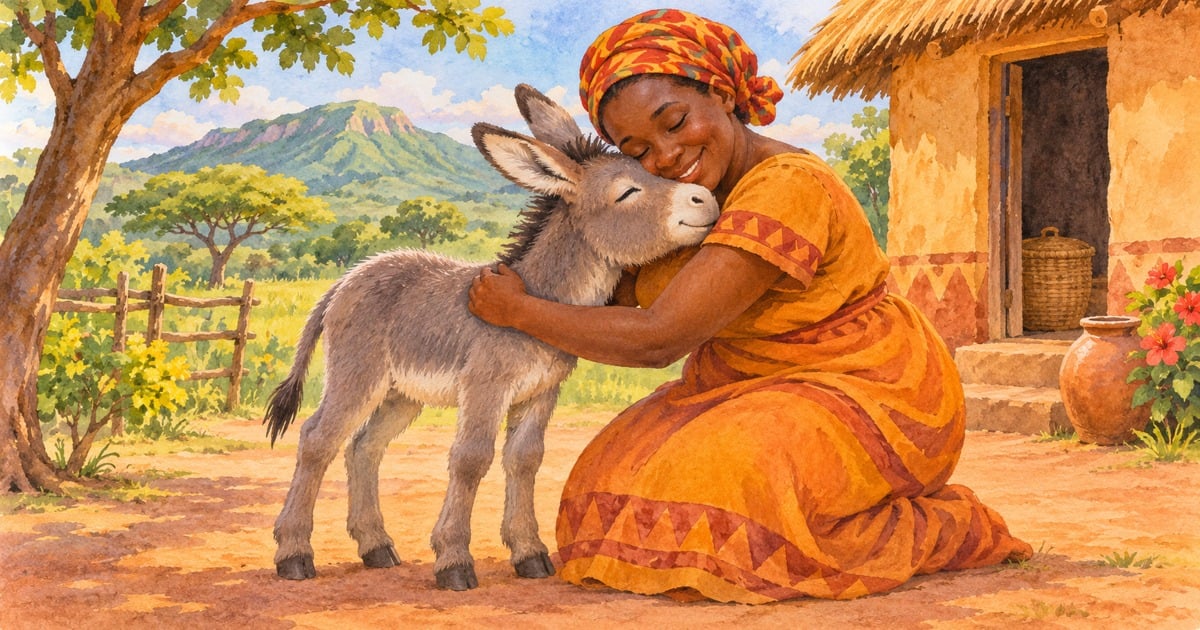
كان سَكِيمَا يعيش مع والديه وأخته ذات الأربع سنوات في ضيعة يملكها رجل ثري. وكان كوخهم المبني من القش، في نهاية صف من الأشجار.
عندما كان عمر سكيما ثلاث سنوات، مرض وفقد بصره، لكنه كان صبياً موهوباً.
فعل سكيما أشياء عديدة لا يستطيع صبيان في عمر الست سنوات أن يقوموا بها. كان مثلا يجالس كبار القوم في قريته ويناقش معهم قضايا هامة.
كان والدا سكيما يعملان في منزل الرجل الثري وكانا يغادران كوخهما باكراً في الصباح ويرجعان في وقت متأخر من المساء. وكان سكيما يمكث في المنزل مع أخته.
كان سكيما مولعاً بالغناء، فسألته أمه يوما: “من أين حفظت هذه الأغاني يا سكيما؟”
أجاب سكيما: “إنها تأتي هكذا يا أمي، أسمعها في رأسي فأغنيها”.
كان سكيما يحب أن يغني لأخته، خاصة إذا ما شعرت بالجوع. فكانت تصغي إلى أغنيته المفضلة وتتمايل مع اللحن المهدئ اللطيف.
وكانت أخت سكيما تتوسل إليه: “هلا أعدت الغناء من جديد، يا سكيما؟”. وكان سكيما يلبي طلب أخته فيعيد الغناء مرات.
Section 2: Sentence-by-Sentence Translation
| # | Arabic (العربية) | English Translation |
|---|---|---|
| 1 | كان سَكِيمَا يعيش مع والديه وأخته ذات الأربع سنوات في ضيعة يملكها رجل ثري. | Sakima lived with his parents and his four-year-old sister on an estate owned by a rich man. |
| 2 | وكان كوخهم المبني من القش، في نهاية صف من الأشجار. | Their straw-built hut stood at the end of a row of trees. |
| 3 | عندما كان عمر سكيما ثلاث سنوات، مرض وفقد بصره، لكنه كان صبياً موهوباً. | When Sakima was three years old, he became ill and lost his sight, but he was a gifted boy. |
| 4 | فعل سكيما أشياء عديدة لا يستطيع صبيان في عمر الست سنوات أن يقوموا بها. | Sakima did many things that boys aged six could not do. |
| 5 | كان مثلا يجالس كبار القوم في قريته ويناقش معهم قضايا هامة. | For example, he would sit with the elders in his village and discuss important matters with them. |
| 6 | كان والدا سكيما يعملان في منزل الرجل الثري وكانا يغادران كوخهما باكراً في الصباح ويرجعان في وقت متأخر من المساء. | Sakima’s parents worked in the rich man’s house, leaving their hut early in the morning and returning late in the evening. |
| 7 | وكان سكيما يمكث في المنزل مع أخته. | Sakima stayed at home with his sister. |
| 8 | كان سكيما مولعاً بالغناء، فسألته أمه يوما: “من أين حفظت هذه الأغاني يا سكيما؟” | Sakima loved singing, so one day his mother asked him, “Where did you learn these songs, Sakima?” |
| 9 | أجاب سكيما: “إنها تأتي هكذا يا أمي، أسمعها في رأسي فأغنيها”. | Sakima answered, “They just come to me, Mother. I hear them in my head and sing them.” |
| 10 | كان سكيما يحب أن يغني لأخته، خاصة إذا ما شعرت بالجوع. | Sakima liked singing to his sister, especially when she felt hungry. |
| 11 | فكانت تصغي إلى أغنيته المفضلة وتتمايل مع اللحن المهدئ اللطيف. | She would listen to his favourite song and sway to its gentle, soothing melody. |
| 12 | وكانت أخت سكيما تتوسل إليه: “هلا أعدت الغناء من جديد، يا سكيما؟”. | Sakima’s sister would beg him, “Would you sing again, Sakima?” |
| 13 | وكان سكيما يلبي طلب أخته فيعيد الغناء مرات. | Sakima would grant his sister’s request and sing again and again. |
Section 3: Vocabulary
English letters are a reading aid: kh represents خ, gh represents غ, and q represents ق. An apostrophe marks a break or throat sound, not a separate syllable.
| Arabic (العربية) | Transliteration | Part of Speech | English Meaning |
|---|---|---|---|
| ضيعة | day'a | Noun | estate; farm |
| ثري | tharee | Adjective | wealthy |
| كوخهم | kookhuhum | Noun + possessive suffix | their hut |
| القش | al-qashsh | Noun | straw |
| الأشجار | al-ashjaar | Plural noun | trees |
| بصره | basarahu | Noun + possessive suffix | his sight |
| موهوباً | mawhooban | Adjective | talented; gifted |
| قريته | qaryatihi | Noun + possessive suffix | his village |
| يناقش | yunaaqish | Verb | discusses |
| باكراً | baakiran | Adverb | early |
| يمكث | yamkuth | Verb | stays |
| الغناء | al-ghinaa' | Verbal noun | singing |
| الأغاني | al-aghaanee | Plural noun | songs |
| الجوع | al-joo' | Noun | hunger |
| تصغي | tusghee | Verb | listens attentively |
| تتمايل | tatamaayal | Verb | sways |
| اللحن | al-lahn | Noun | melody; tune |
| تتوسل | tatawassal | Verb | begs; pleads |
| يلبي | yulabbee | Verb | responds to; fulfils |
| مرات | marraat | Plural noun | times |
Source: Opening eight story paragraphs of أغنية سكيما (Sakima’s Song) by Ursula Nafula, Arabic translation by Maaouia Haj Mabrouk, from African Storybook via Storybooks Canada, CC BY 4.0. Arabic text preserved as an excerpt; new English translation, reading aid, narration and learning notes by LangFastPro.