Start with words you can use to ask for a drink, find something or answer a simple question. These 32 Urdu words include English meanings and a Roman reading aid. Learn a few at a time, then try the short practice below.
Urdu is written from right to left. Roman spellings here are approximate: aa, ee and oo indicate long vowels; kh in khaanaa is an aspirated k, not the sound in English “chair.” A final n in haan and kahaan marks a nasal vowel rather than a fully pronounced n. Roman reading help cannot replace learning the Urdu spelling or listening to a speaker.
Answer and ask
| Urdu | Reading help | Meaning |
|---|---|---|
| جی | jee | polite yes; respectful acknowledgment |
| ہاں | haan | yes |
| نہیں | naheen | no; not |
| شکریہ | shukriyaa | thank you |
| کیا | kyaa | what |
| کہاں | kahaan | where |
| کب | kab | when |
| کون | kaun | who |
جی is useful when answering someone politely. It is not a replacement for every use of “yes.” کیا can also introduce a yes/no question; it does not always translate as “what.”
Food and drink
| Urdu | Reading help | Meaning |
|---|---|---|
| پانی | paanee | water |
| چائے | chaay | tea |
| دودھ | doodh | milk |
| کھانا | khaanaa | food; a meal |
| روٹی | rotee | flatbread |
| چاول | chaaval | rice |
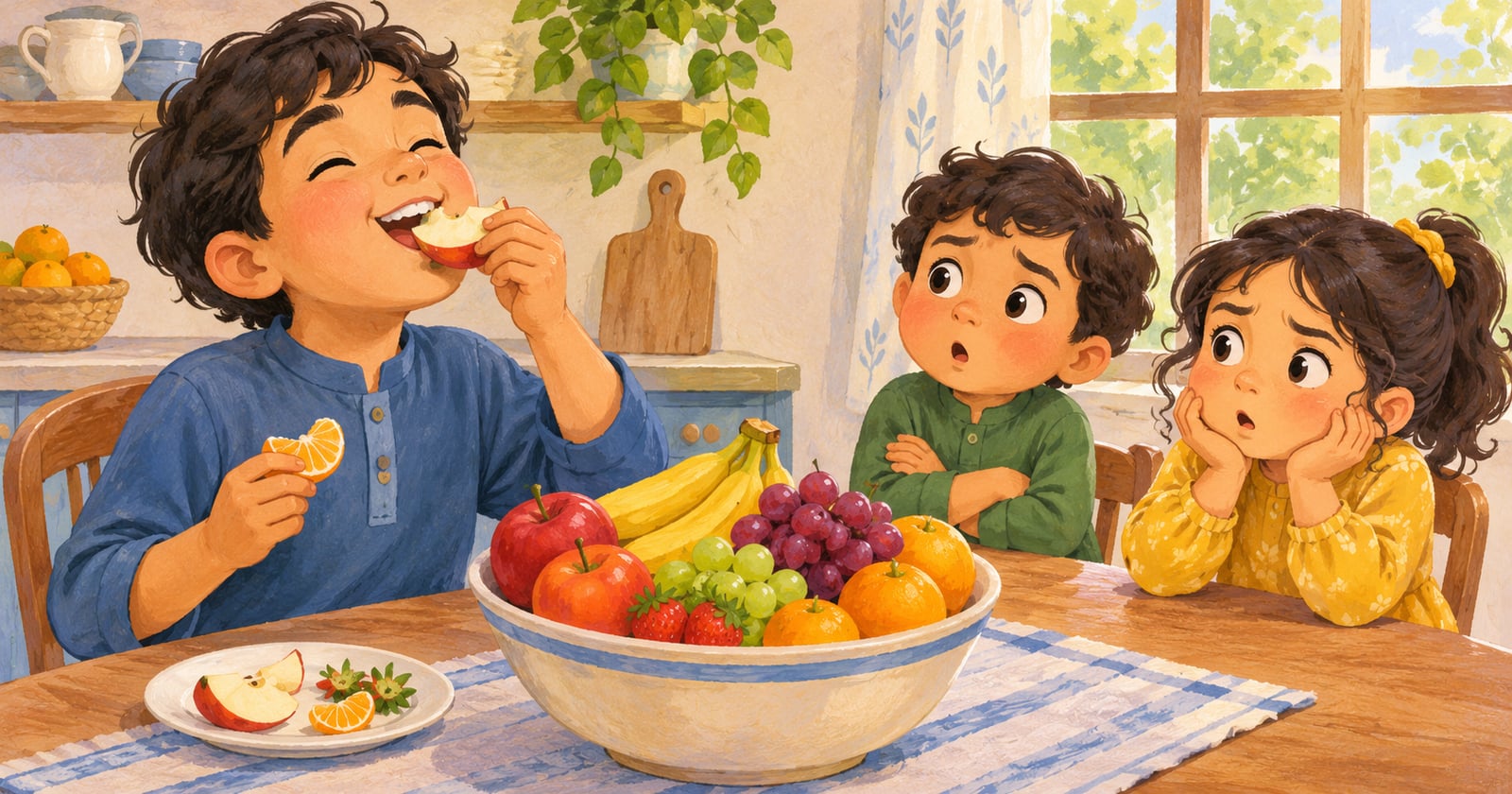
| پھل | phal | fruit |
| نمک | namak | salt |
کھانا can also mean “to eat.” Here you are learning its noun meaning. روٹی names a type of flatbread, not every kind of bread.
One practical request is مجھے پانی چاہیے۔ (Mujhe paanee chaahiye.), “I need/would like water.” Replace پانی with چائے to ask for tea. This expresses what you need; tone and context still matter.
Things at home
| Urdu | Reading help | Meaning |
|---|---|---|
| گھر | ghar | home; house |
| کمرہ | kamraa | room |
| دروازہ | darvaazaa | door |
| کھڑکی | khirkee | window |
| کتاب | kitaab | book |
| کرسی | kursee | chair |
| میز | mez | table |
| چابی | chaabee | key |
The r in khirkee is only a rough aid for ڑ, a sound made with the tongue curled back. It is not an ordinary English r.
Try چابی کہاں ہے؟ (Chaabee kahaan hai?), “Where is the key?” Or کتاب میز پر ہے۔ (Kitaab mez par hai.), “The book is on the table.” These are short practice sentences, not a story.
Place, time and useful connections
| Urdu | Reading help | Meaning |
|---|---|---|
| یہاں | yahaan | here |
| وہاں | vahaan | there |
| آج | aaj | today |
| ابھی | abhee | now |
| بعد | baad | after; later in expressions |
| بہت | bahut | much; many; very |
| تھوڑا | thoraa | a little |
| اور | aur | and; more |
Use بعد میں (baad mein) for “later.” Do not use بعد alone as a universal substitute for English “later.”
Urdu nouns have grammatical gender. تھوڑا پانی (thoraa paanee) is “a little water,” while تھوڑی چائے (thoree chaay) is “a little tea.” The describing word changes because پانی is masculine and چائے is feminine. You do not need all the rules at once, but learning small phrases helps you remember these differences.
اور پانی؟ (Aur paanee?) can mean “More water?” in a conversation where the situation is clear. چائے اور پانی (chaay aur paanee) means “tea and water.”
Try five small tasks
- Say “thank you.”
- Ask “Where is the book?”
- Change the water request above into a request for tea.
- Choose the correct form: تھوڑا / تھوڑی چائے.
- Read چابی یہاں ہے۔ What does it mean?
Answers
- شکریہ۔ Shukriyaa.
- کتاب کہاں ہے؟ Kitaab kahaan hai?
- مجھے چائے چاہیے۔ Mujhe chaay chaahiye.
- تھوڑی چائے۔ Thoree chaay.
- The key is here.
Pick four words from your own day and practise them in phrases before learning another group. Continue with Simple Urdu Sentences to build questions and introductions, or Urdu Nouns: Singular, Plural and Gender for noun patterns.
References
This is an independently written learner guide, not a translation of a source article. References informed the language checks and teaching choices.
- Badr Muhammadi, اردو کی ابتدائی تعلیم, NCPUL: native-language discussion of learning through everyday contexts, reading, writing and speaking. It does not validate every vocabulary item.
- Abdur Rauf Ishrat Lucknowi, قواعد میر: جمع کا بیان: historical native grammar reference, used for background on noun forms, not as a source of modern conversational examples.
- Rekhta Dictionary: پانی: water meaning and masculine label.
- Rajiv Ranjan, Basic Urdu: nouns and adjectives and sentence patterns, Michigan State University: corroboration for basic grammatical distinctions. No source exercises or prose reproduced.